STUDY MARATHON Merging Spiritual Wisdom with academic studies
The Secret to Studying 5x Faster
Exams bring immense pressure, demanding long hours of dedicated study. However, most students prepare for exams the same way they approach regular college studies, often leading to exhaustion and inefficiency. But just as one dresses differently for a special occasion or speaks with precision when addressing an audience of importance, the approach to studying must also be adjusted to suit the intensity of exam preparation. An effective study method does not simply involve extending study hours but rather enhancing the quality of those hours. The key lies in creating an immersive and distraction-free environment that optimizes focus, retention, and mental clarity.
The Study Marathon: Smart, focused, effective learning
The Study Marathon is a revolutionary concept designed to transform the way students prepare for exams. Unlike conventional self-study methods, which are often disrupted by distractions, this initiative offers a structured, disciplined, and spiritually uplifting study environment.
This program is not merely to put in long hours but to make those hours count. Through a well-planned study schedule, external accountability, and an environment conducive to deep learning, the Study Marathon helps students achieve maximum efficiency and effectiveness in their preparation.
Recognizing the need for such an environment, the Bhaktivedanta Academy for Culture and Education (BACE) was established by the mercy of Krishna and His devotees, offering students a focused study space with spiritual energy and a balanced routine.
BACE: More Than Just a Hostel
- BACE is not just a student accommodation facility but a balanced spiritual hostel designed to support both academic and personal growth. It offers an environment that fosters discipline, concentration, and holistic well-being.
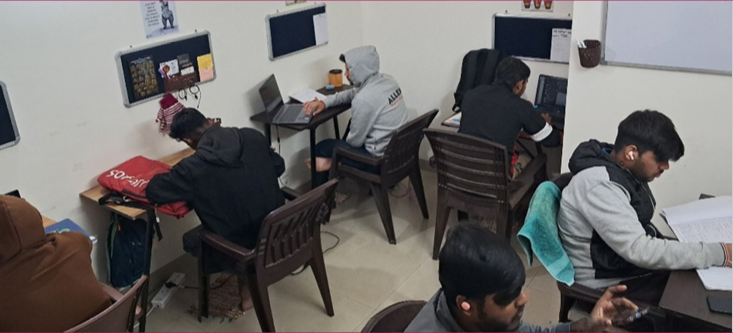
- One of the most significant challenges students face while studying at home or in hostels is the constant presence of distractions like social interactions, digital interruptions, or external noise. BACE eliminates these disruptions by offering dedicated study rooms, ensuring that students can focus on their academic goals without interruptions.
- In addition to the study infrastructure, spiritual support enhances mental clarity and emotional stability. The temple hall within the premises provides students with a space for meditation and self-reflection, helping them manage stress and improve their concentration.
- To complement this, BACE offers an independent ecosystem with separate kitchen and resting areas, encouraging a structured and healthy lifestyle. This ensures balanced rigorous study sessions and necessary breaks, preventing burnout and fatigue.
The Transformational Benefits of the Study Marathon
A Focused Study Environment
The foundation of effective learning lies in an environment that nurtures focus. Like plants need fertile soil, water, and sunlight to thrive, students require a distraction-free atmosphere to absorb and retain information. Unfortunately, many conventional study spaces, including hostels and PG accommodations, are filled with distractions that hinder deep learning.
At BACE, this challenge is addressed by creating a structured academic environment where students can engage in focused study sessions without external interruptions. The absence of unnecessary disturbances significantly enhances their ability to concentrate and boosts their academic performance.
One of the students, Shivam Thakur, a B.Tech scholar, shared his experience, stating, "In my PG, I struggled to concentrate due to constant disturbances. But at BACE, the peaceful and focused environment helped me study effectively."
Accountability and Discipline: The Key to Consistency
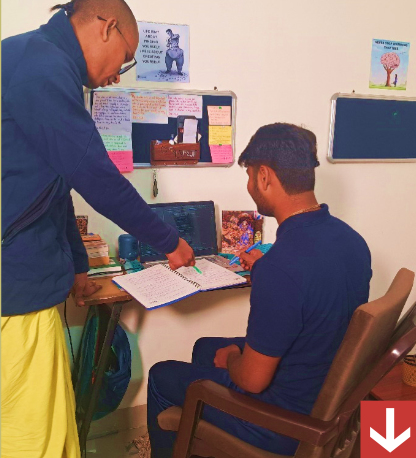
Self-discipline is an essential trait for success, but external accountability enhances it further. When studying alone, students often fall into the trap of procrastination and inconsistency. At BACE, facilitators monitor progress, set study goals, and ensure accountability, creating a system that fosters productivity and consistency.
This structured approach ensures that students stay on track, follow a planned study routine, and make the most of their time. By studying alongside like-minded individuals and under guided supervision, they develop a strong sense of commitment and responsibility toward their academic goals.
A Balanced Study Schedule for Maximum Efficiency
Studying effectively is not about cramming; it is about structured and strategic learning. The Study Marathon follows a meticulously planned schedule that integrates productive study sessions with essential breaks, physical well-being, and mental relaxation.
The routine includes:
- Milestone-based study sessions to ensure steady progress.
- Planned breaks to prevent burnout and refresh the mind.
- Nutritious snacks to sustain energy levels for extended focus.
- Stretching exercises to relieve strain and improve concentration.
This well-rounded approach helps student maintain mental agility, absorb information better, and sustain their focus for longer durations.
Mantra Meditation and Kirtan: The secret to mental Clarity
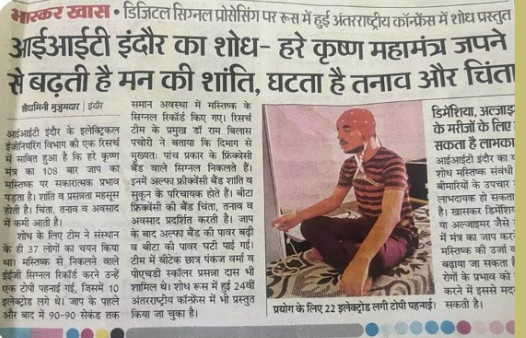
- Scientific research has consistently highlighted the benefits of meditation on cognitive function. A study conducted by IIT Indore's Electrical Engineering Department analyzed the impact of mantra meditation on brain activity. The findings revealed:
- Increase in Alpha Waves: Promotes calmness and inner harmony.
- Decrease in Beta Waves: Reduces stress, anxiety, and mental clutter.
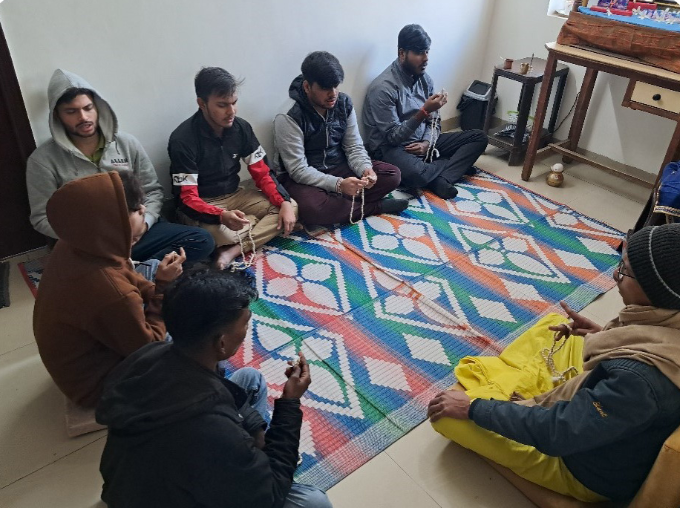
At BACE, students engage in morning mantra meditation and evening kirtans, which serve as powerful tools to enhance focus, mental clarity, and emotional stability. One of the participants, Aman from IIT Delhi's ECE Department, remarked, "Chanting and kirtan relieved my stress, refreshed my mind, and made studying fun."
Nutritious and Spiritual Food (Prasadam) for a Healthy Mind and Body
Nutrition plays a vital role in cognitive function and emotional balance. At BACE, students are provided with sattvic (pure) meals, prepared with devotion and offered as prasadam. These meals are not only nourishing but also spiritually uplifting. The significance of prasadam lies in its purity and positive vibrations, which enhance mental clarity and emotional stability. Many students have reported experiencing improved focus, increased energy levels, and a sense of inner calm after incorporating prasadam into their diet. Alok Singh, a student from IIT's Electrical branch, expressed, "The prasadam at BACE keeps my mind calm and my body energized, making studying much easier."

Conclusion: A Life-Changing Experience
The Study Marathon at BACE is not just about preparing for exams it is about experiencing a transformative journey that integrates academic excellence with spiritual well-being.
- By participating in this program, students gain:
- A distraction-free study environment.
- Accountability and mentorship to maintain discipline.
- A balanced schedule to prevent burnout.
- Mantra meditation and kirtan for stress relief and enhanced focus.
- Nutritious prasadam to support mental and physical well-being.
- For students struggling with productivity, focus, or exam-related stress, the Study Marathon at BACE offers a proven solution that fosters discipline, concentration, and success.
- Are you ready to embrace a smarter, more effective way of learning?